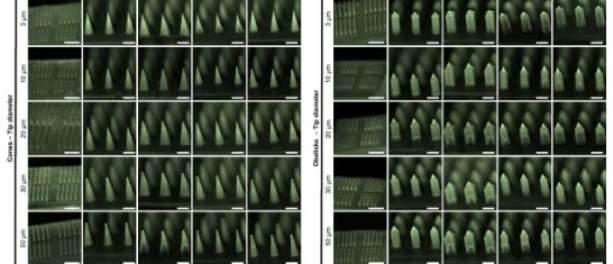

Early last year, an NWO grant was given to a consortium with support from RadboudUMC, UFABC and uPATCH Applicators to investigate how microneedle array patches (MAPs) could contribute to both the prevention and detection of Zika.
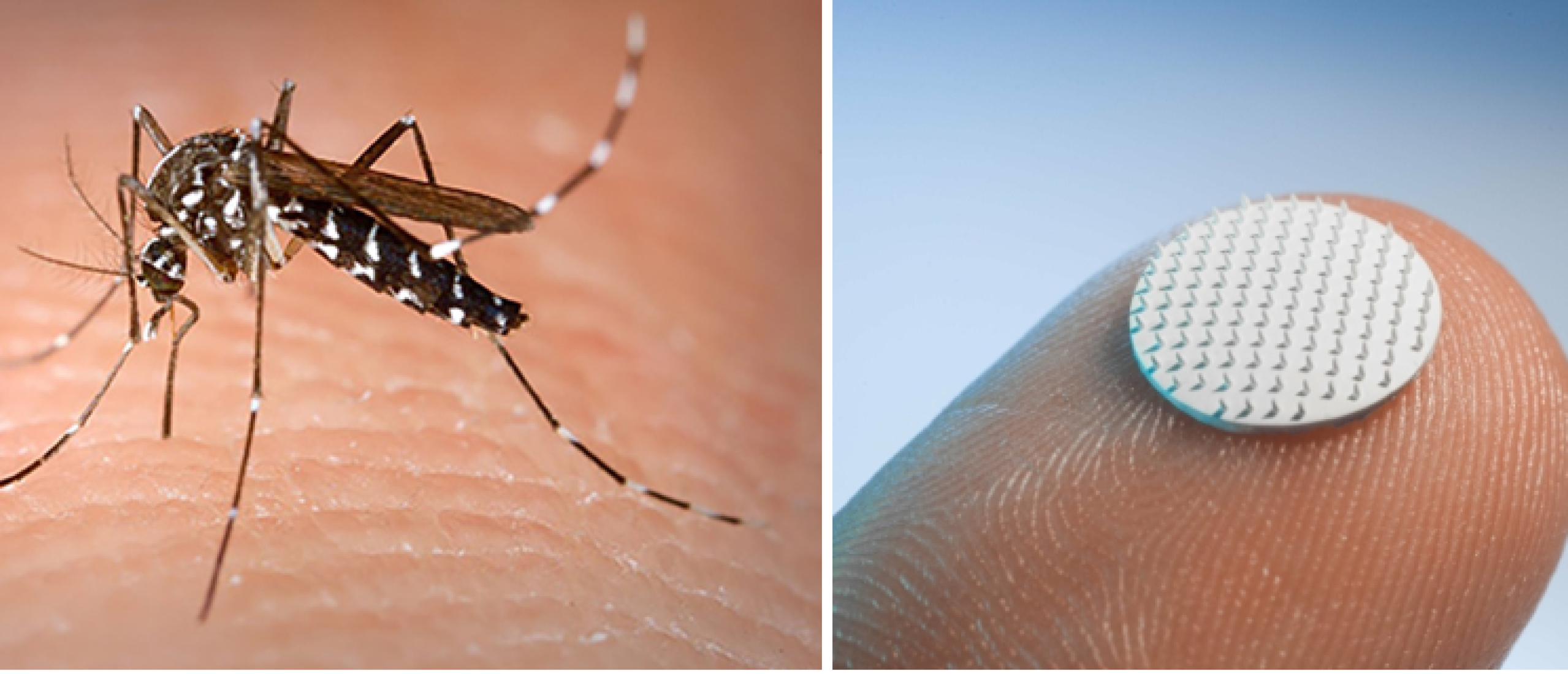
Zika is a mosquito-borne virus transmitted mainly through the bite of infected Aedes mosquitoes - the same mosquitoes that spread dengue. Although many infections cause mild or no symptoms, Zika became a major global concern during outbreaks in the 2010s because infection during pregnancy can be passed to the fetus and cause serious congenital complications. These include microcephaly, a condition in which a baby’s head and brain do not develop as expected.
The Infection and Immunity research group at Radboudumc, led by Dr Marien de Jonge, is collaborating with Dr Silvia Boscardin at ICB-USP, Dr Wendel Andrade Alves at UFABC, combining expertise in infectious diseases, antibodies, biomaterials and biosensing.
One research track explores using MAPs to deliver anti-Zika monoclonal antibodies through the skin as a potential preventive strategy. In parallel, the consortium is developing electrochemical microneedle sensors to detect disease-related biomarkers in a minimally invasive and portable way.
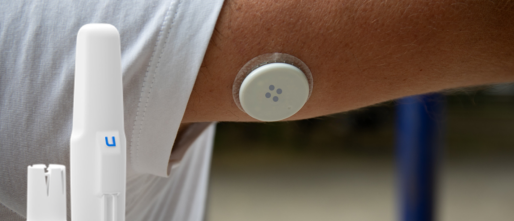
uPATCH Applicators contributes its expertise in microneedle application and applicator development, supporting the consistent and reliable application required for both drug delivery and biosensing.
We are proud that uPATCH™ is part of this research and look forward to sharing further developments as the project progresses.